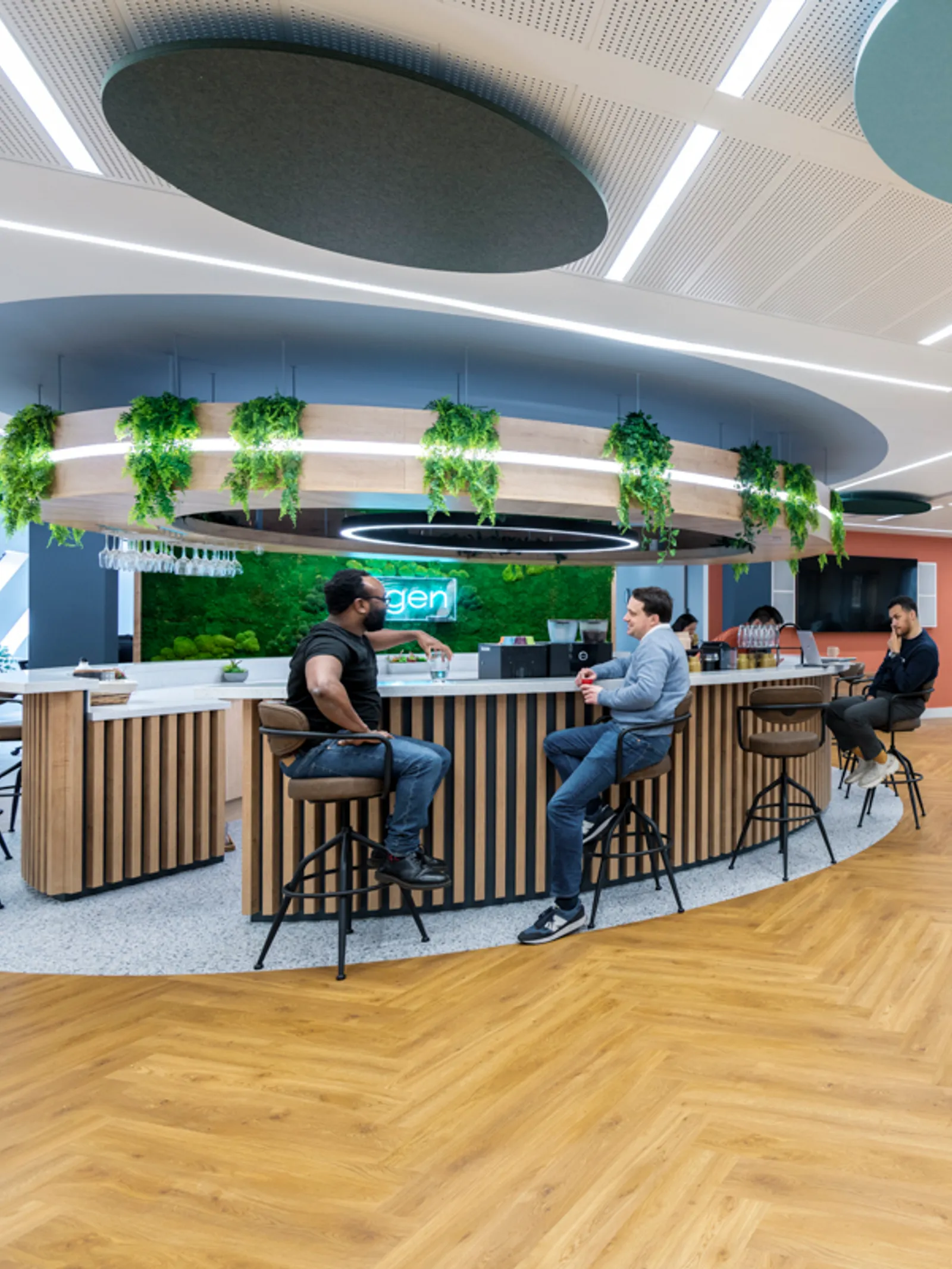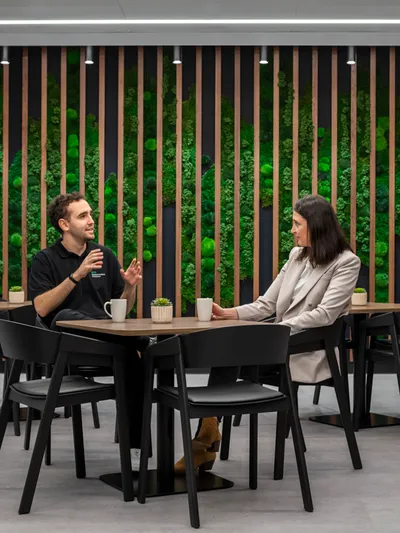


In the contemporary professional landscape, the concept of office design has evolved beyond mere aesthetics. It now encompasses a strategic approach to creating workspaces that optimise productivity, enhance employee satisfaction, and promote sustainability. The significance of good office design cannot be overstated, as it directly impacts your team’s wellbeing and ability to collaborate, and innovate. A well-designed office, therefore, can make all the difference when it comes to operational success.
Why should businesses care about good office design?
Businesses should care about good office design, as it creates an environment that can lead to greater productivity and help keep people engaged and healthy.
By incorporating principles of good office design, organisations can create workspaces that meet the needs of their employees and enable them to perform at their best. Engaged, happy workers will not only be more productive, but staff attrition and sickness absences will fall.
A well-designed workplace will also be sustainable, minimising its impact on the planet while simultaneously providing all the necessary tools and resources to complete tasks efficiently. According to a recent study by Statista, 78% of consumers feel that sustainability is important. This sentiment holds strong across various demographics, indicating a growing global concern for environmentally responsible practices, of which businesses need to take note.
A good office design seamlessly combines functionality and flair, showcasing your brand personality at every opportunity while keeping employee comfort as a top priority. As the workplace continues to evolve, investing in thoughtful office design will remain a strategic imperative for businesses striving to stay competitive in the modern era.
What are the benefits of good office design?
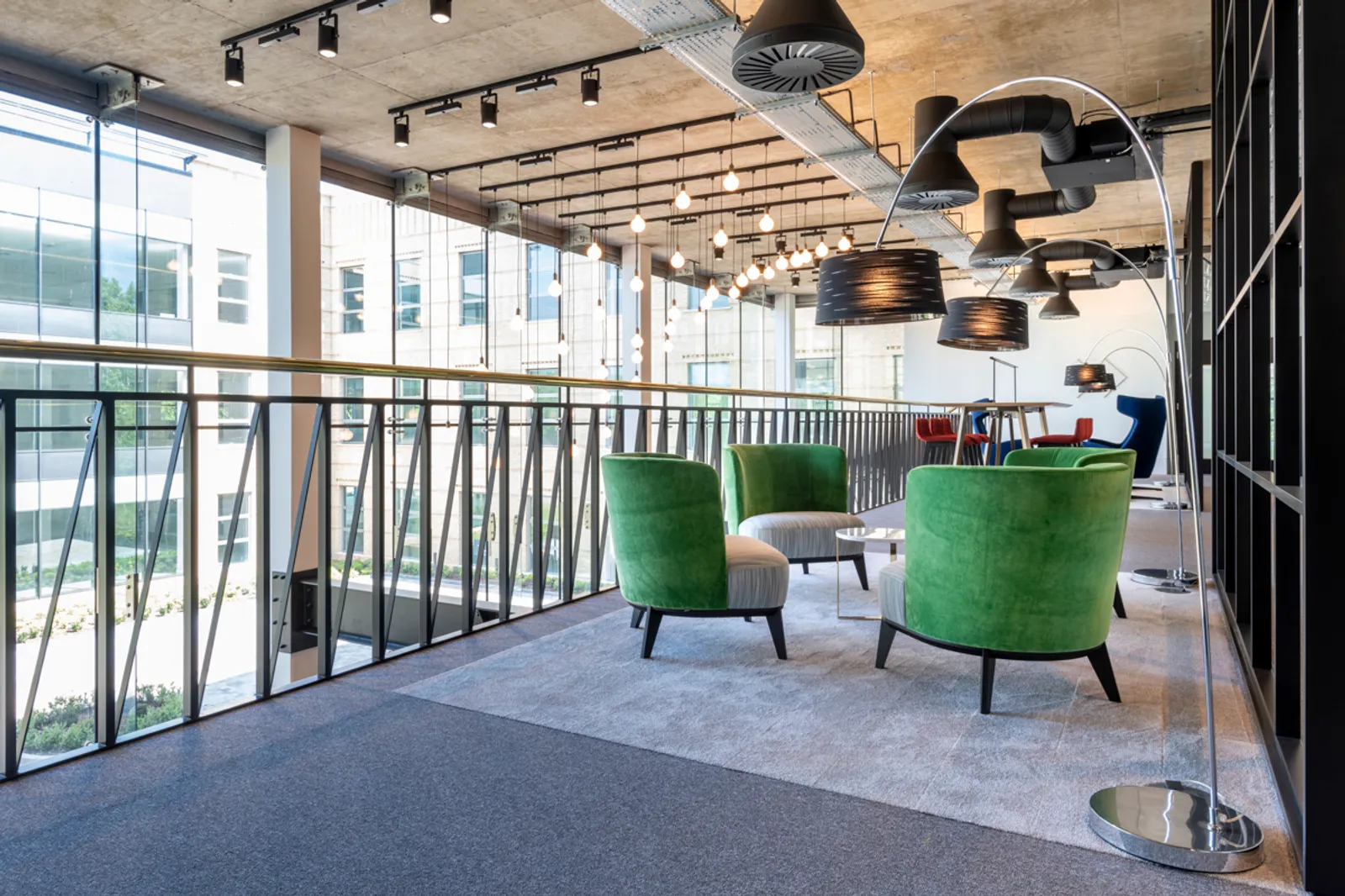
Let’s take a deeper look at the reasons why thoughtful, intelligent office design can benefit everyone.
Enhanced productivity
Good office design can significantly enhance productivity by providing employees with a conducive environment for focused work. Steelcase's 2020 Global Report: Employee Expectations and Experiences showed that employees in agile workspaces reported 24% higher satisfaction and 35% greater agility. This suggests that adaptable and flexible workspaces foster engagement and ability to respond to changing demands.
Additionally, research published in the Journal of Environmental Psychology suggests that optimised office layouts, incorporating elements such as natural light and ergonomic furniture, can lead to a 15% increase in productivity.
Employee satisfaction and retention
A well-designed office space contributes to employee satisfaction and retention. A survey conducted by Future Workplace and View found that 78% of employees believe that access to natural light and views improves their wellbeing, and 70% of respondents stated that access to views and natural light would positively impact their decision to stay at their current job.
Promotion of collaboration and innovation
Effective office design can foster collaboration and spur innovation among employees. A study by Steelcase, discovered that employees who have control over their work environment are 88% more engaged.
Impact on health and wellbeing
Office design plays a crucial role in promoting employee health and wellbeing. According to the World Green Building Council, employees who work in well-ventilated offices with access to natural light experience a 15% increase in wellbeing. Additionally, a study published in the Journal of Occupational and Environmental Medicine found that employees in green-certified buildings had 26% higher cognitive function scores compared to those in non-certified buildings.
Adaptability and flexibility
Good office design incorporates elements of adaptability and flexibility to accommodate evolving work practices and technological advancements. A report by Deloitte highlights the importance of agile workspaces, stating that 83% of executives believe that agile work environments are essential for organisational success. Moreover, research from Gensler, suggests that workplaces designed for flexibility have a significant positive impact on employee satisfaction and performance.
What are the core principles of good office design?
Good office design goes beyond aesthetics. It creates an environment where people feel supported and inspired. An effective workspace prioritises its occupants, enabling easy collaboration and accommodating diverse work styles.
To create a high-performing, future-ready office, we adhere to several core principles.
1. Activity-Based Working (ABW)
People work in different ways. The best offices offer a variety of spaces for different tasks, such as lively areas for brainstorming, quiet pods for calls, and focused desks for deep work. Providing choice empowers people to be more productive.
2. Acoustic Comfort
Noise is a frequent concern in modern offices. Therefore, effective office acoustic design should be considered from the outset. In design, this can include using sound-absorbing materials and separating social zones from quiet areas. Subtle background sound systems can also help maintain a calm, focused environment.
3. Wellbeing and Environmental Quality
Our surroundings significantly affect well-being, working in an office which does account for well-being and environmental quality ultimately leads to dissatisfaction, demotivation, attrition and can be ultimately mentally and physically damaging to people.
Good office design prioritises essentials like clean air, appropriate temperature, and ample natural light. Smart lighting that adapts throughout the day supports energy and helps prevent afternoon fatigue. Combined, this leads to improved office wellbeing.
4. Biophilic Design
People are naturally connected to the outdoors. Using biophilic office design principles within the office, such as adding plants, using natural materials, or providing outdoor views, effectively reduces stress and enhances relaxation and creativity.
5. Inclusive and Ergonomic Spaces
A well-designed office considers the diverse physical and cognitive needs of everyone using it. Incorporating high-quality ergonomic furniture, such as sit-stand desks and adjustable seating, naturally promotes movement and supports physical health throughout the day.
Furthermore, truly inclusive design embraces neurodiversity. Providing a choice between vibrant, collaborative areas and calm, visually muted zones allows individuals who might find busy environments overwhelming to retreat and focus. This thoughtful approach ensures every person feels supported and has the right setting to do their best work.
6. Seamless Technology
Technology acts as the invisible engine of a modern workspace. In today's hybrid working world, digital tools need to be incredibly user-friendly and completely reliable. Effective office design integrates technology directly into the physical space rather than treating it as an afterthought.
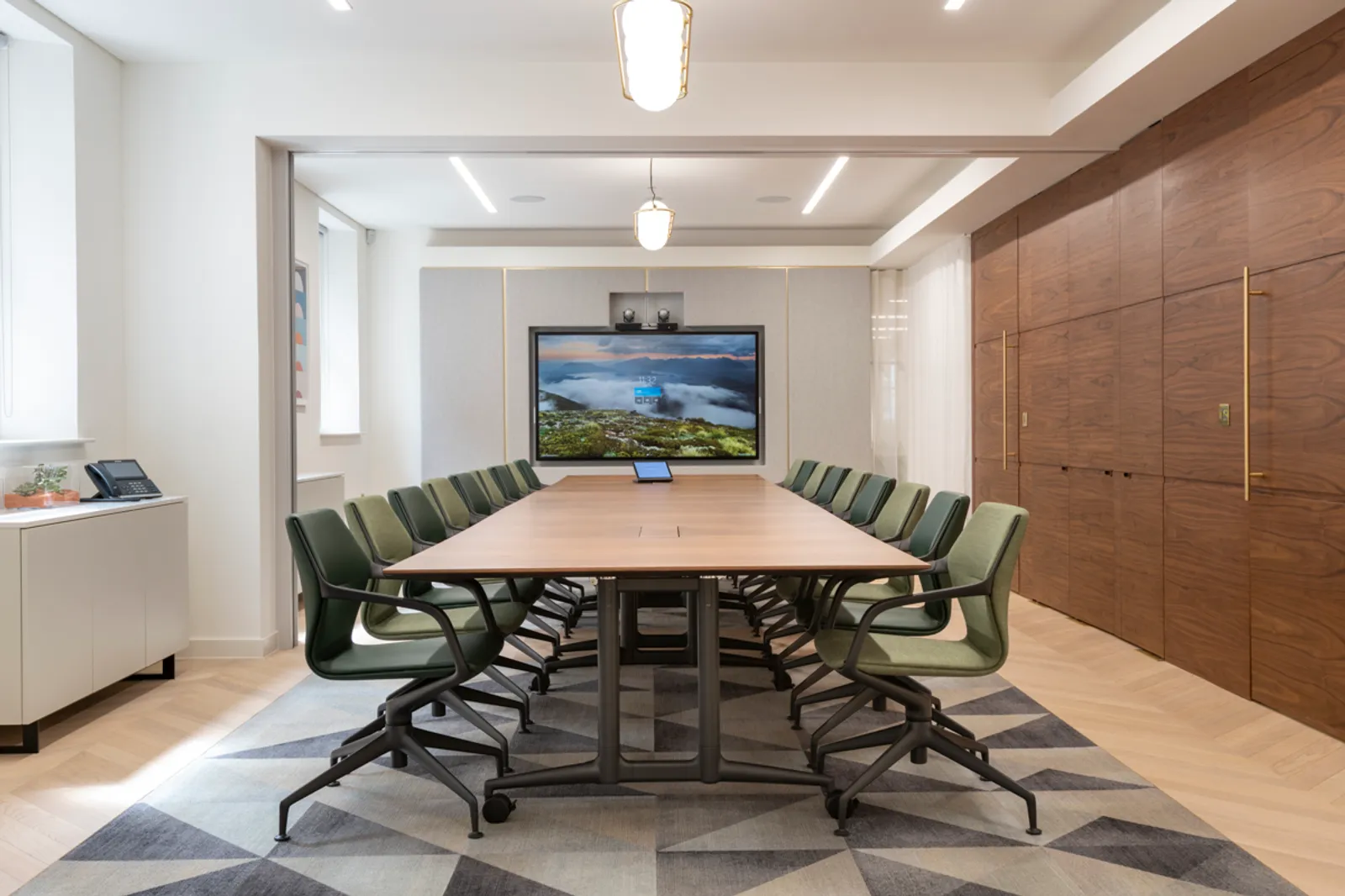
This can mean creating meeting rooms where video calls, digital whiteboarding, and screen sharing happen effortlessly, without a confusing maze of cables. Keeping technology seamless in the office prevents frustrating glitches and keeps teams connected, whether they are in the building or working remotely.
7. Brand and Culture
The physical office is a direct reflection of a company's identity and values. Strategic design uses carefully chosen colours, furniture styles, and artwork to express the unique culture of the organisation.
When a workspace genuinely feels aligned with a brand, it achieves two important things. First, it helps visiting clients immediately understand the company's ethos the moment they walk through the door. Second, it fosters a strong sense of pride, community, and connection among the employees who work there every day
8. Designing for a Sustainable Future
Environmental responsibility is now a fundamental expectation in modern workplace design. Forward-thinking spaces prioritise sustainable materials, energy-efficient lighting, and circular design principles to minimise their overall environmental footprint.
Sustainable office design goes far beyond simply protecting the planet. It actively creates a much healthier indoor environment for the workforce, appeals strongly to environmentally conscious talent, and helps organisations meet their long-term ethical goals.
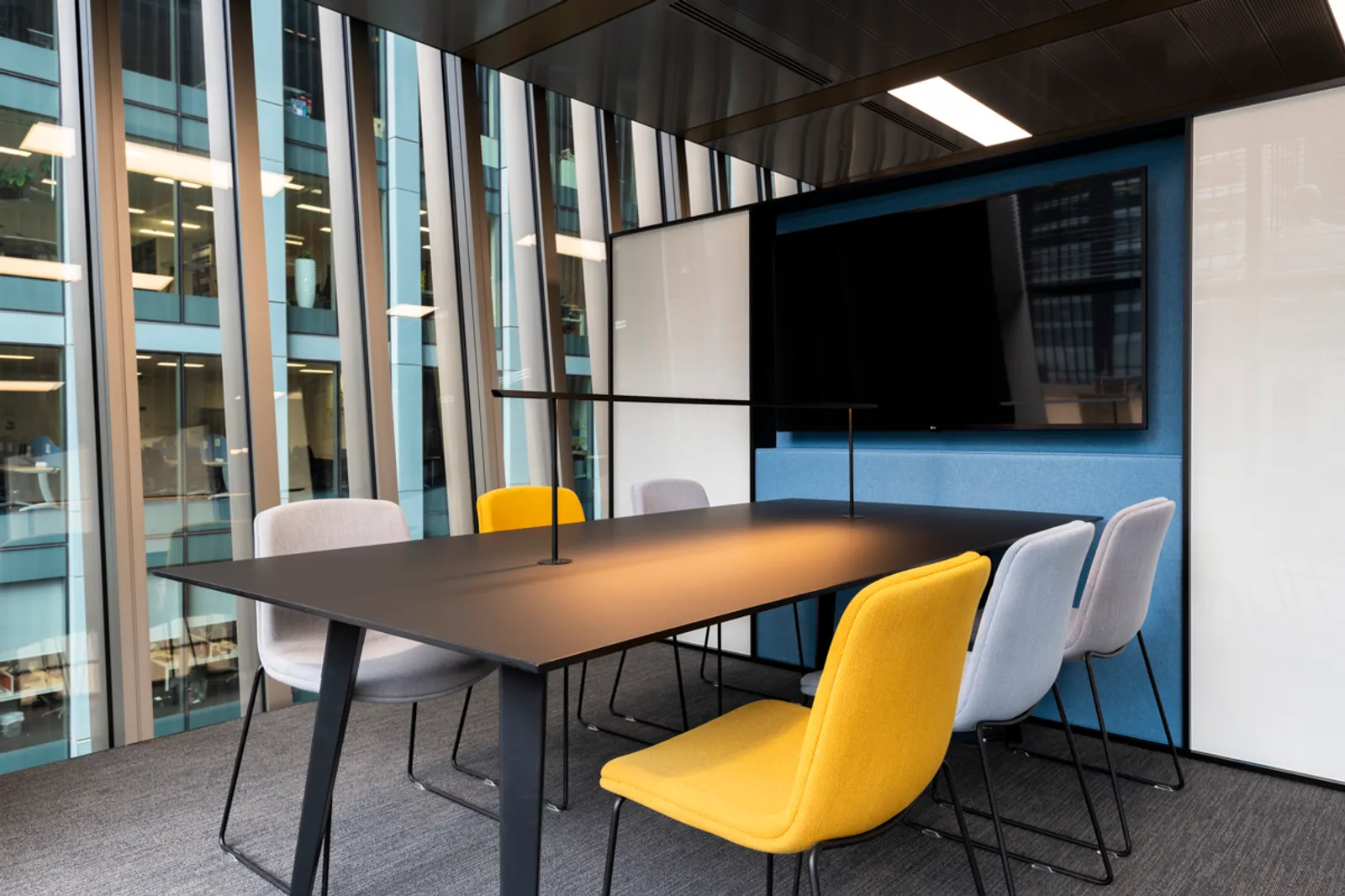
Table Breakdown: 8 Core Principles of Good Design
Core Principle | What It Means in Practice | How It Benefits Your Workforce |
Activity-Based Working | Creating specific spaces for different tasks, from quiet focus pods to lively collaboration hubs. | Gives people the freedom to choose the best environment for their current task, boosting productivity. |
Acoustic Comfort | Managing noise using smart layouts, sound-absorbing materials, and subtle background audio. | Keeps the office calm, reduces frustration, and helps people concentrate without distraction. |
Wellbeing & Environment | Prioritising clean air, comfortable temperatures, and lighting that mimics natural daylight. | Keeps energy levels high, avoids the mid-afternoon slump, and supports overall physical health. |
Biophilic Design | Bringing nature inside with plants, natural textures, and clear views of the outdoors. | Naturally reduces stress, boosts creativity, and makes the workspace feel much more relaxing. |
Inclusive & Ergonomic | Providing supportive furniture like sit-stand desks and ensuring there are calm spaces for neurodiversity. | Ensures every individual feels physically comfortable, included, and supported to do their best work. |
Seamless Technology | Integrating reliable, easy-to-use tools invisibly into the fabric of the workspace. | Makes hybrid meetings effortless and stops frustrating technical glitches from ruining a good day's work. |
Brand & Culture | Using colours, art, and furniture to physically reflect your unique company identity and values. | Fosters a deep sense of pride and belonging among employees while impressing visiting clients. |
Sustainable Future | Using eco-friendly materials and energy-efficient systems, keeping B Corp standards in mind. | Protects the planet while creating a healthier, purpose-driven space that attracts top talent. |
Are you ready to redesign your workspace?
The future of office design is dynamic and uncertain, but one thing is clear: it will continue to evolve alongside the way we work. Design will prioritise adaptability, sustainability, and a human-centric approach, fostering creativity, collaboration, and individual wellbeing. It's no longer just about where we work, but how the space empowers us to do our best work and thrive in a rapidly changing world.
Contact the professional team at Area today to discover how we can help you redesign your office and reap the benefits of doing so.