
Shared Workspace: Unlocking the Potential
The way we work has changed for good. Hybrid patterns are now normal, expectations of the workplace are higher, and the lines between corporate offices and coworking environments are no longer clear-cut. What’s emerging in their place is something more considered, more curated, and far more strategic.
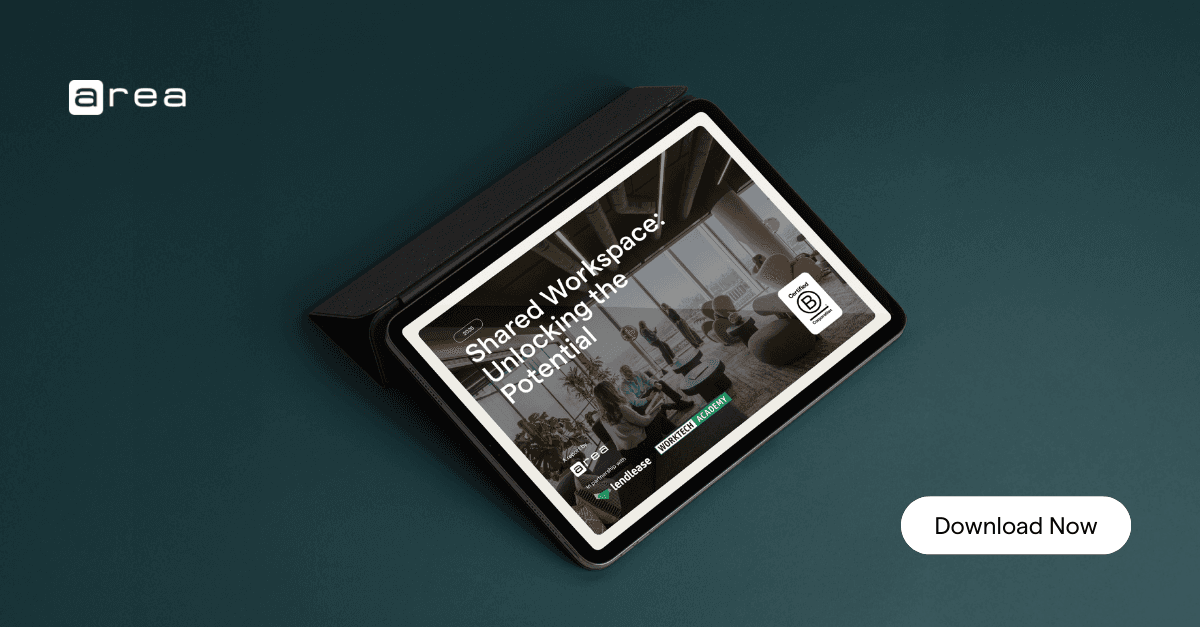
Our new report, Shared Workspace: Unlocking the Potential, explores this shift in detail. Drawing on original research, industry insight and a real-world case study, it looks at how shared workspace is evolving into a core part of commercial real estate strategy – not as a bolt-on, but as a driver of experience, culture and long-term value
Download the full report to explore the research and insights in detail.
From convergence to a new typology
Over the past two decades, corporate workspace and coworking have followed separate paths. Today, those paths are converging. Organisations and developers are moving beyond traditional flex models to create shared environments that are exclusive to occupiers, yet collaborative in spirit. These spaces blend work, hospitality, technology and wellbeing into a single, cohesive offer.
The report sets out why this matters now. It examines the pressures shaping landlord and occupier decision-making, from return-to-office expectations and talent attraction to ESG priorities and asset repositioning. It also challenges the idea that shared space is simply about flexibility, instead positioning it as a carefully curated experience that supports interaction, learning and innovation.
Lounge TwentyOne: a live case study
At the heart of the report is Lounge TwentyOne, a shared amenity space designed by Area for The Turing Building at Stratford Cross. Located on level 21, the space was conceived as a destination rather than a breakout area – somewhere that supports focus, connection and relaxation in equal measure.
The report explores how the design, layout, materiality and technology work together to create a high-quality shared environment for multiple occupiers. It also looks at the wider implications of dedicating prime space within a building to communal use, and how this decision can strengthen identity, culture and community.

Scenarios for the future of shared workspace
In partnership with WORKTECH Academy, Area hosted a creative workshop at Lounge TwentyOne, bringing together industry experts to imagine what shared workspace could become next. Using an established research framework, participants developed four future-facing scenarios that respond to different corporate motivations – from exploring innovation to driving cultural transformation.
These scenarios offer practical insight into how shared spaces might support collaboration, learning, entrepreneurship and adaptability in the years ahead. They also highlight the growing role of data, AI and curation in shaping environments that learn from their users over time.
Why read the report?
This report is for developers, landlords, occupiers and anyone involved in shaping the future of the workplace. It combines research with design thinking and real delivery experience, offering a grounded view of where shared workspace is heading – and how to get it right.
If you’re rethinking amenity, repositioning an asset, or questioning what shared space should really deliver, this report provides a useful starting point.
Download the full report to explore the insights in full and see how shared environments can be designed to create lasting value.